
In his gorgeous book The Rapids, Sam Twyford-Moore argues the bloodless clinical terminology of ‘bipolar disorder’ doesn’t capture the particular quality of that illness as well as its older name, ‘manic depression.’
For most of my life I lived with intermittent periods of intense depression interspersed with periods of relative normality, and the term bipolar captures that pattern adequately. I would argue that pattern alone should alert clinicians that bipolar might be afoot, but I was being managed by GPs, and with each bout of depression I just got shunted further along the antidepressant ‘pipeline,’ from Lexapro (baby SSRI) to Zoloft (adult SSRI) to Effexor (SNRI) to the more esoteric antidepressants. Often people with bipolar experience their first manic episode when they start an SSRI, but my GP failed to pick up bipolar even when a MAOI named Moclobemide had that effect on me. In the end, I lived with undiagnosed bipolar for about 20 years.
Towards the end it got really bad, and that’s why I appreciate Twyford-Moore’s argument. Mania and depression are conceptualised as two distinct poles — sunshine versus stormy weather — and this makes it harder to recognise that in severe illness you can actually experience negative mania, i.e. depressive mood and cognition with all the energy of a manic episode.
It is hard to convey how awful that feels—I get the horrors just thinking about it. But there are pictures that capture that experience with some clarity.
Right off the bat, let me say I am not a fan of ‘photovoice.’ I don’t believe that pictures are inherently better than words and stories at representing lived experience. Most photovoice projects produce phenomenally banal images that are undertheorised precisely because researchers imagine images give direct and unmediated access to experience. But when you supply a little context, pictures can be starting points for story-telling and reflective practices. So let me try and tell you the story of my illness in pictures.
I moved to Canberra in 2016 for the first year of my PhD after years of managing intermittent depressive illness without treatment. The fact that treatments for unipolar depression did not help me was another missed signal that I might have bipolar instead. In the absence of effective treatment I was doing a lot to manage my mood and cognitive habits, including sleep hygiene, meditation, eating well, and staying in regular contact with my chosen family. Moving cities disrupted all of that and pretty soon I was struggling — alone in deep waters.
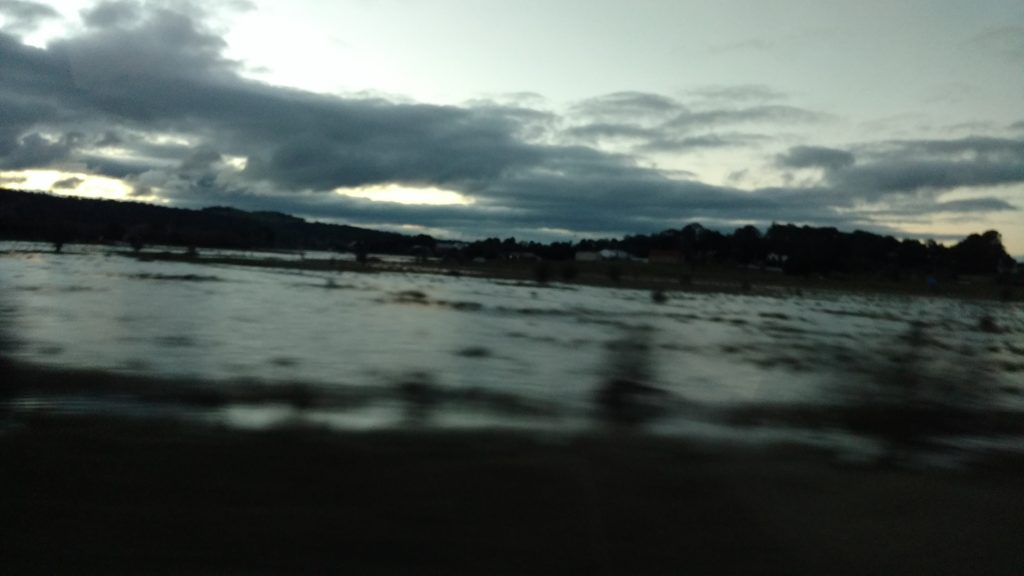
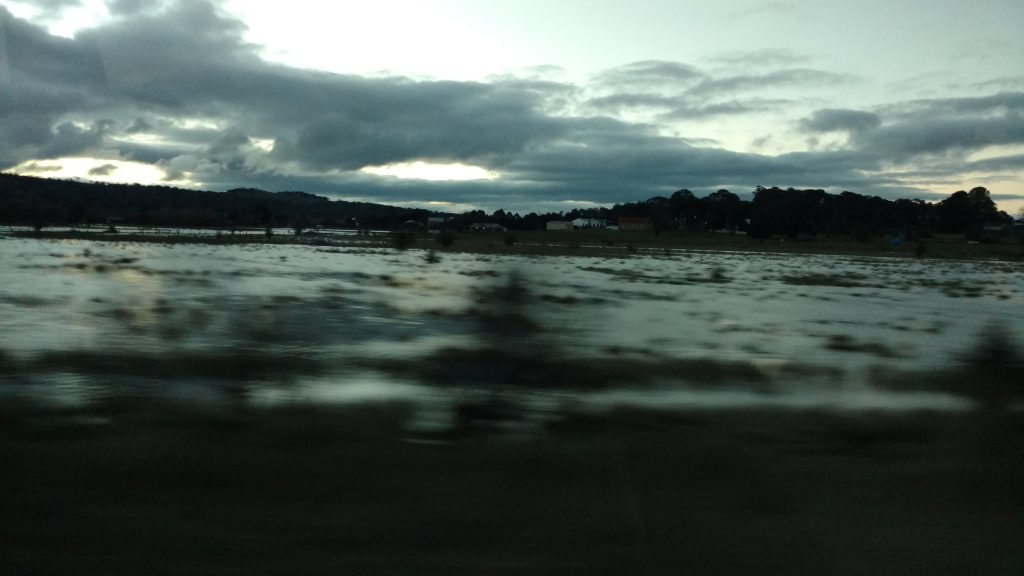
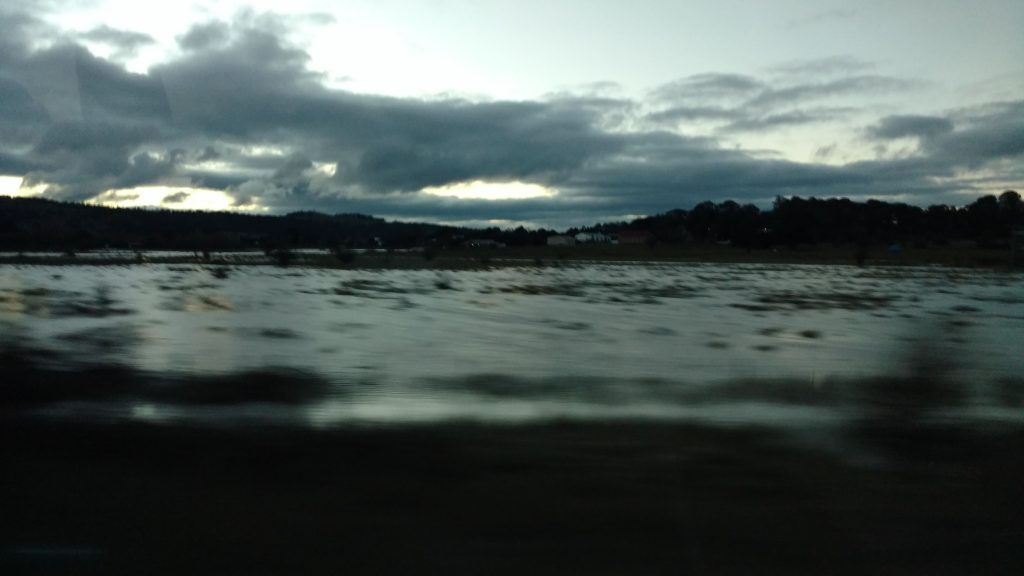
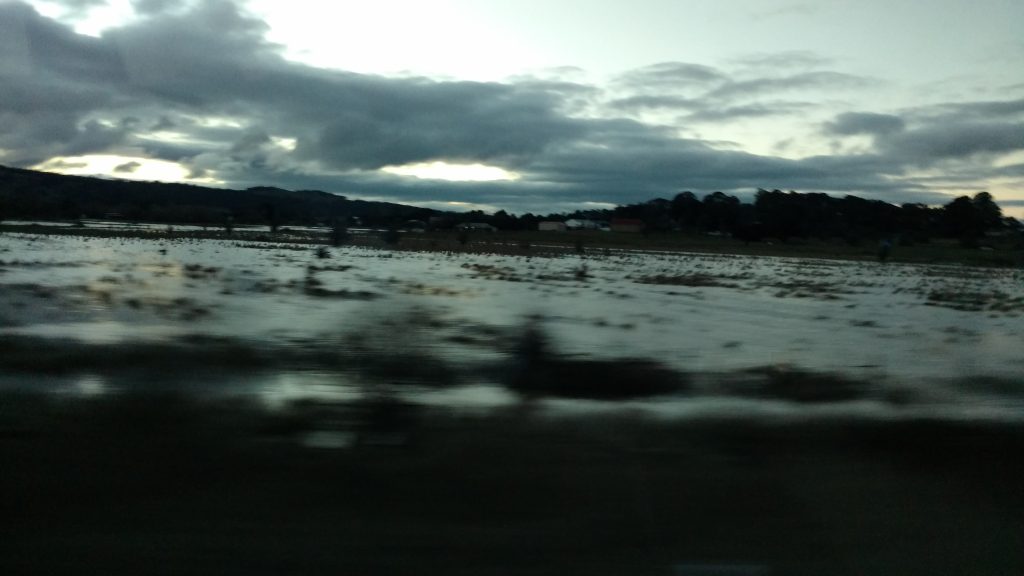
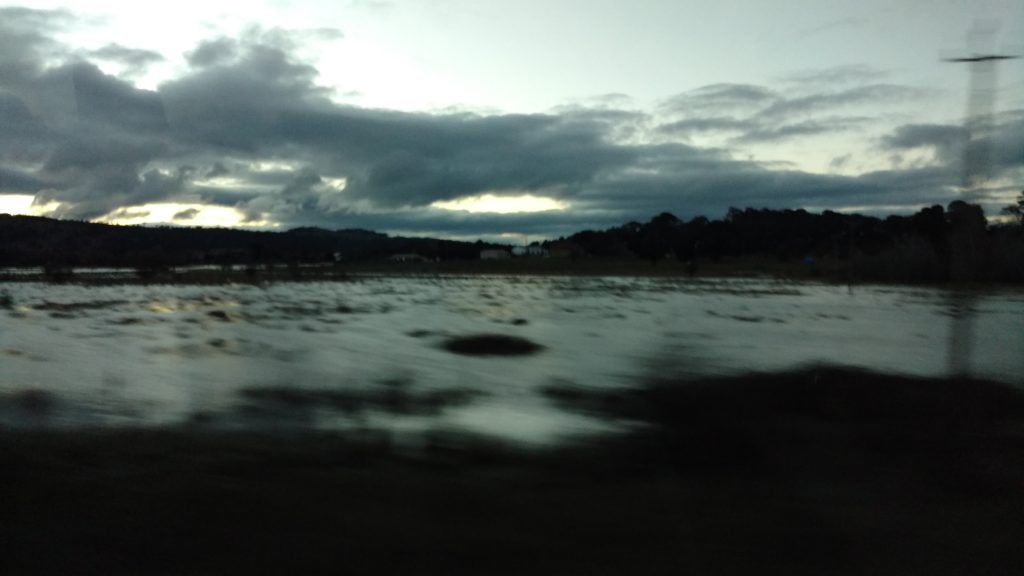
(Collector, July 2016)
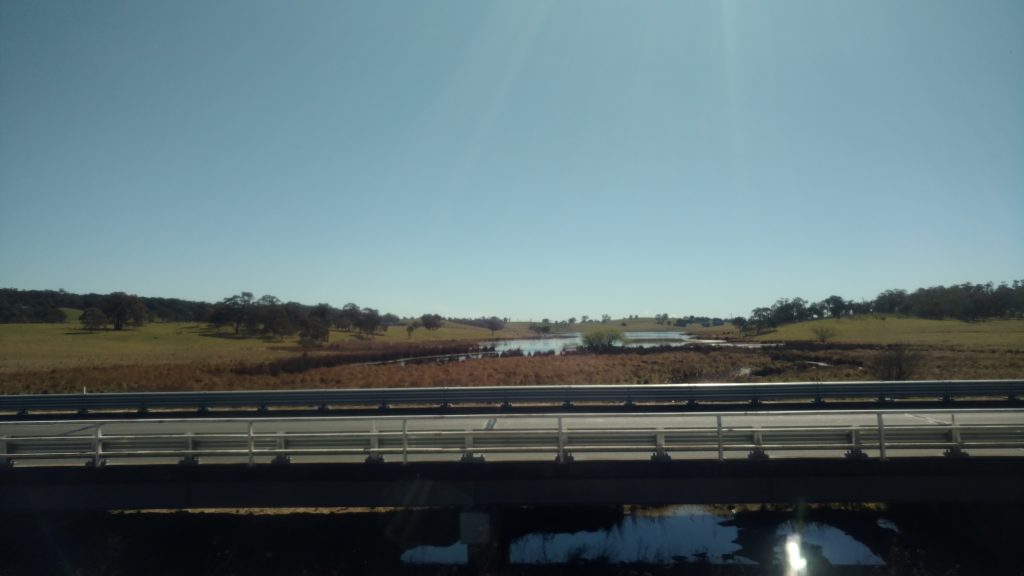
These are five photos I took in the space of three seconds, capturing flood waters at dusk in a soak outside Collector, NSW in July 2016. I was on the Murrays’ bus to Sydney to catsit for friends. Somehow, Sydney features in all my worst moments of illness; this city is not safe for the vulnerable.
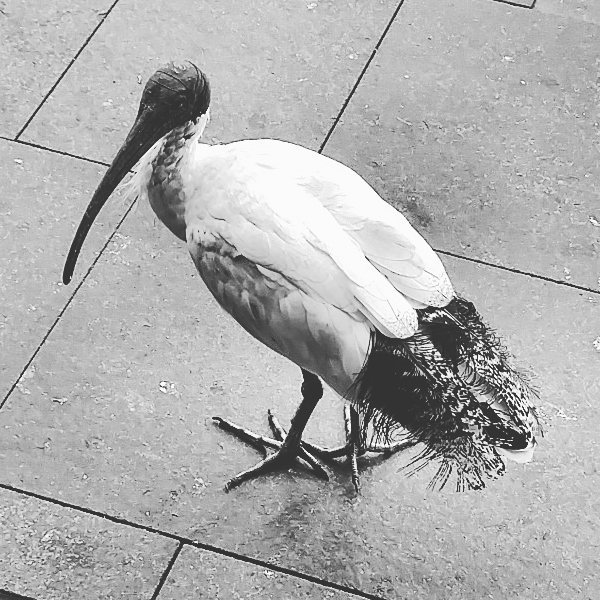
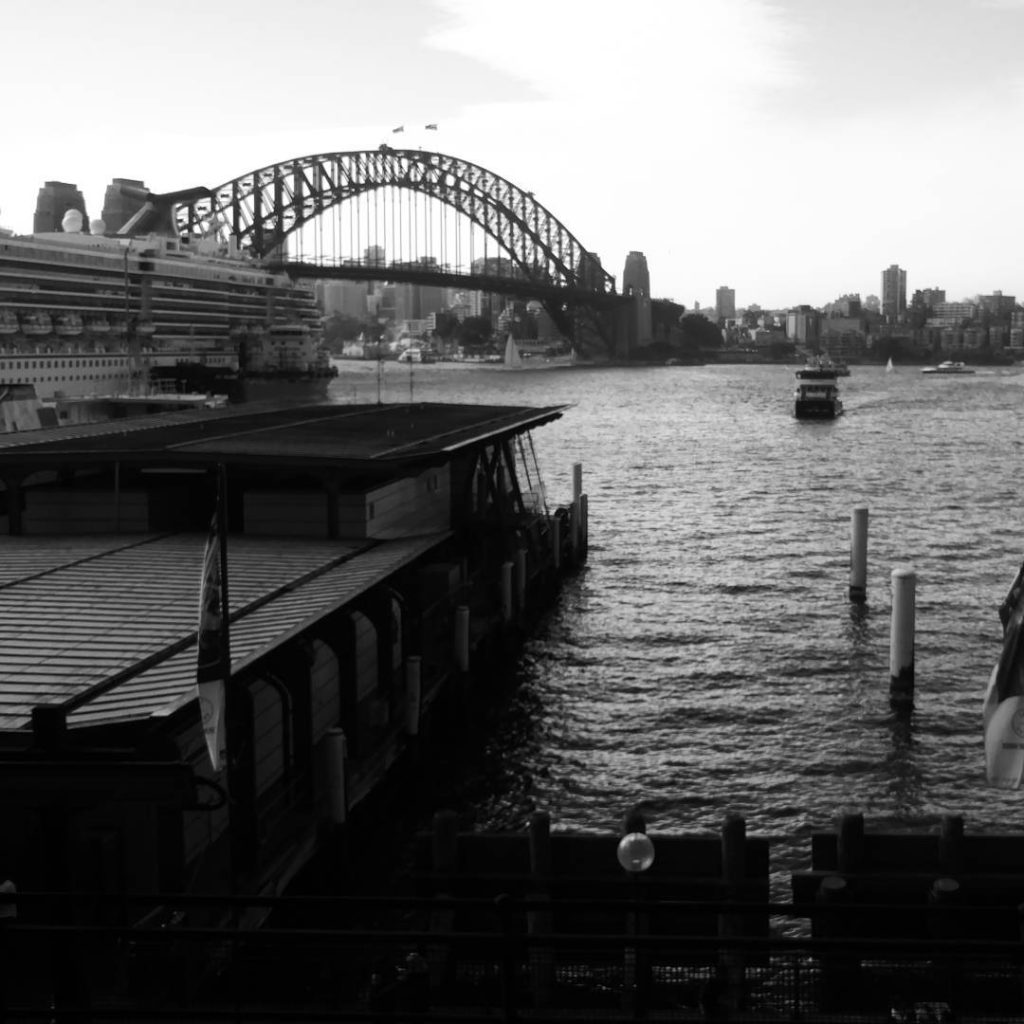
As mentioned, I’d lived with intermittent depression for a long time, but I experienced the onset of manic depression after I moved to Sydney in 2017.
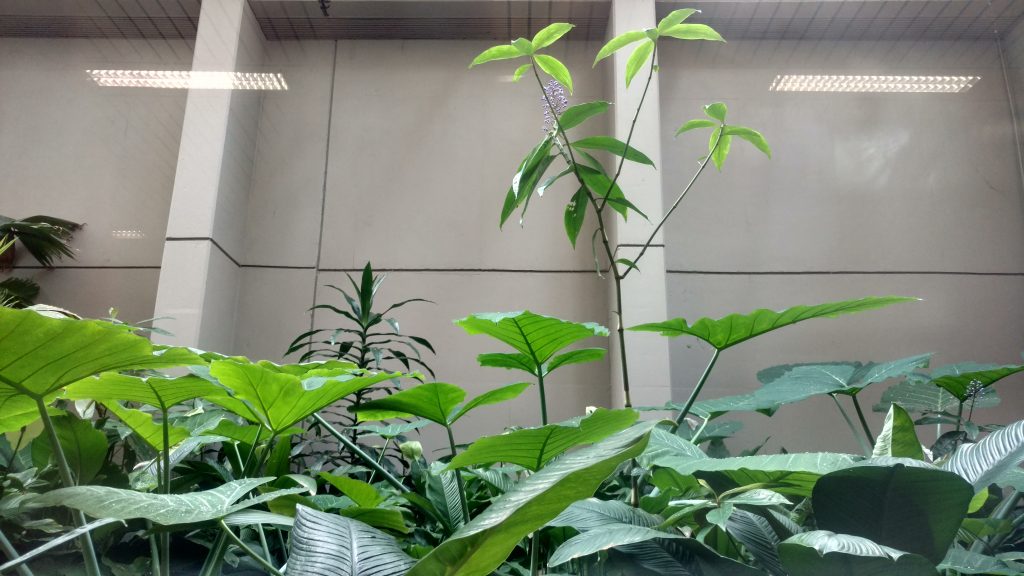
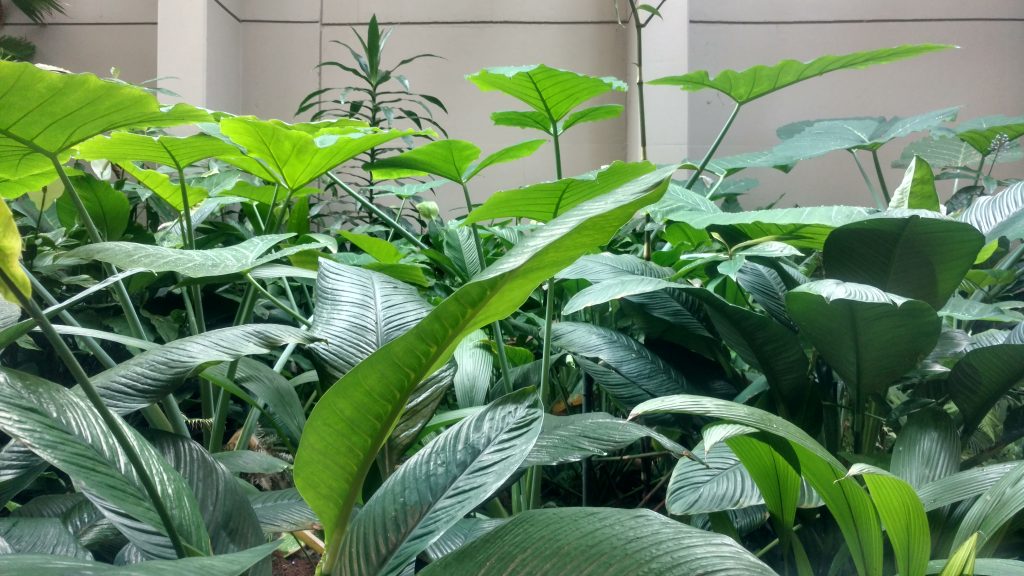
I knew I was unwell. These photos were taken on a day when I was so distressed I couldn’t sit still, parked at a desk in the basement of the State Library of NSW. I was seated beside a huge glass wall that overlooked this insanely lush greenery. What I notice about these two photos now is the sense of a rising tide, as the viewpoint moves lower as if submerging the viewer in the foliage.
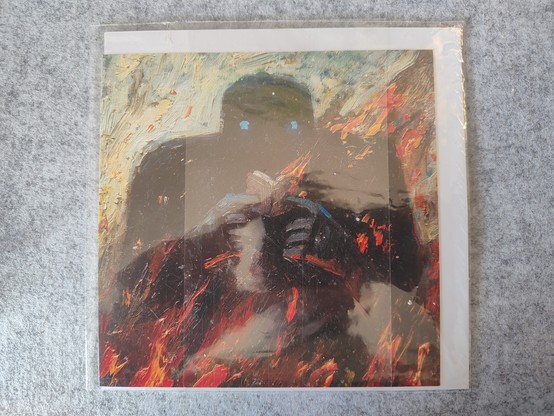
I was living in an unsafe situation and commuting to the library every day. Maybe that day or another, I bought this card from the gift shop, and I’ve managed to hang onto it as I’ve moved from house to house in Sydney, to Montréal for study and back to Sydney for work. Painted by artist Shaun Tan in oil on canvas, it shows a dark metallic figure with glowing blue eyes, reading a tiny book while flames rage around it. It spoke to me powerfully then and now, capturing the experience of trying to study in an emotional firestorm.
That day in the library I asked my friend, Aunty Sam, to refer me to her GP, who was wonderful. In turn she referred me to my psychiatrist, also wonderful, and I got the bipolar and PTSD diagnoses and began treatment and therapy for both.
For a long time I was just treading water, living in Sydney on a PhD stipend, waiting until my mood stabilised and trying to understand how my brain worked on the new medication.
The places I lived were pretty grotty but I made myself at home in their kitchens, and when I wasn’t home I was out walking.
There are images that remind me of those moments I spent seeking tranquility.

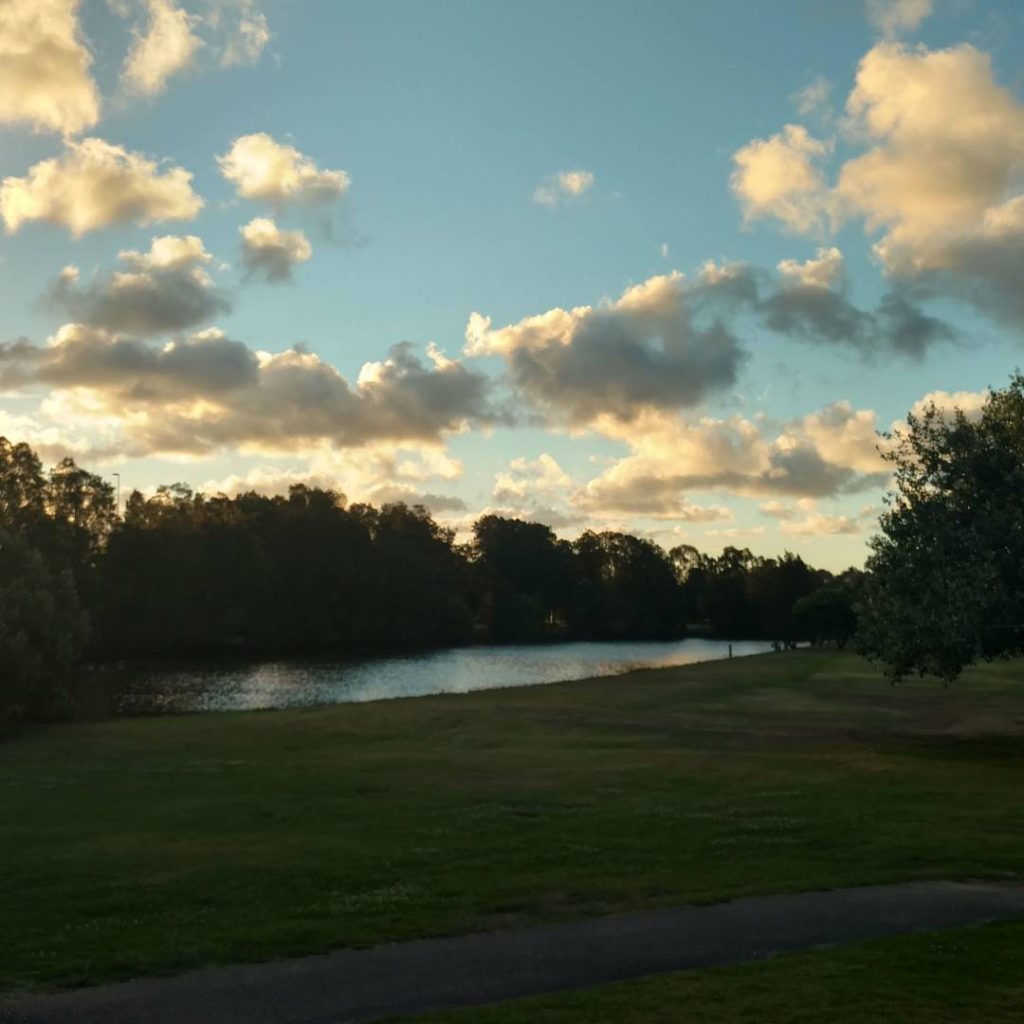
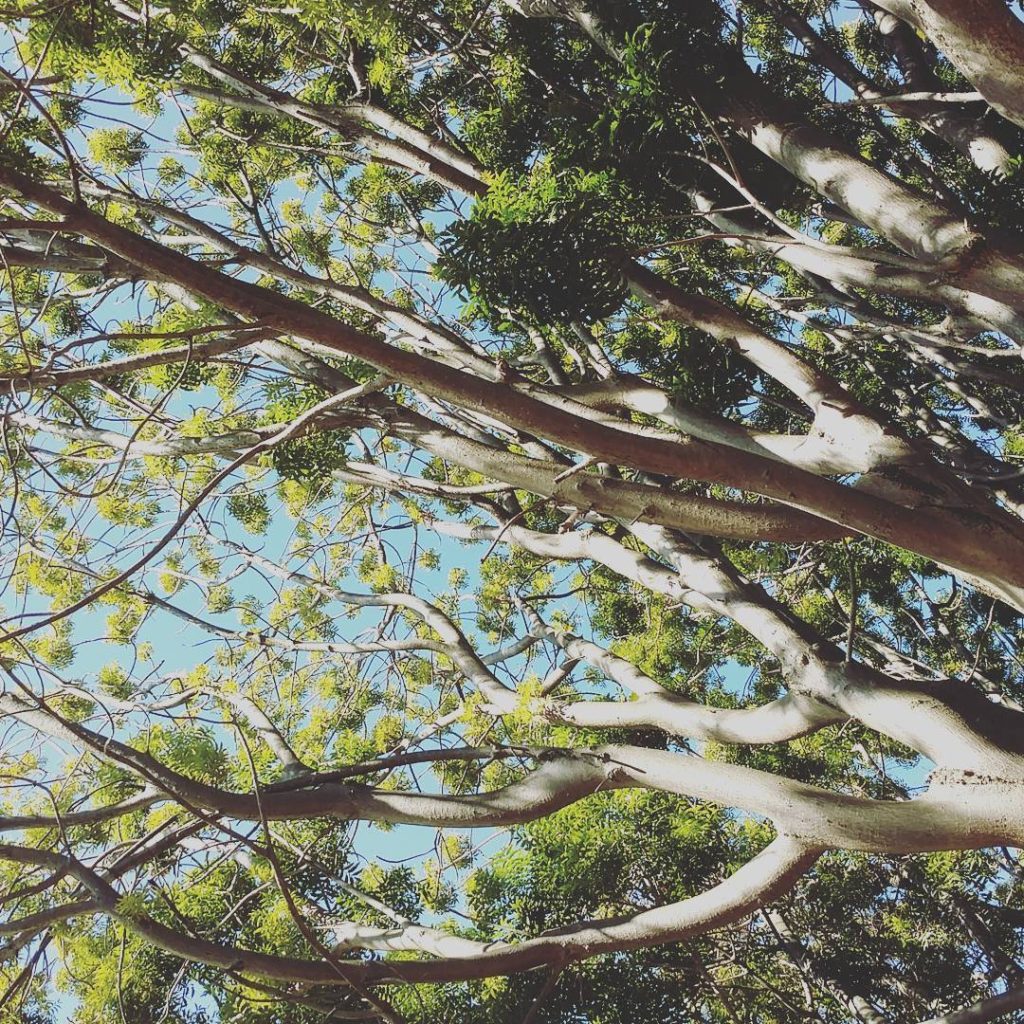
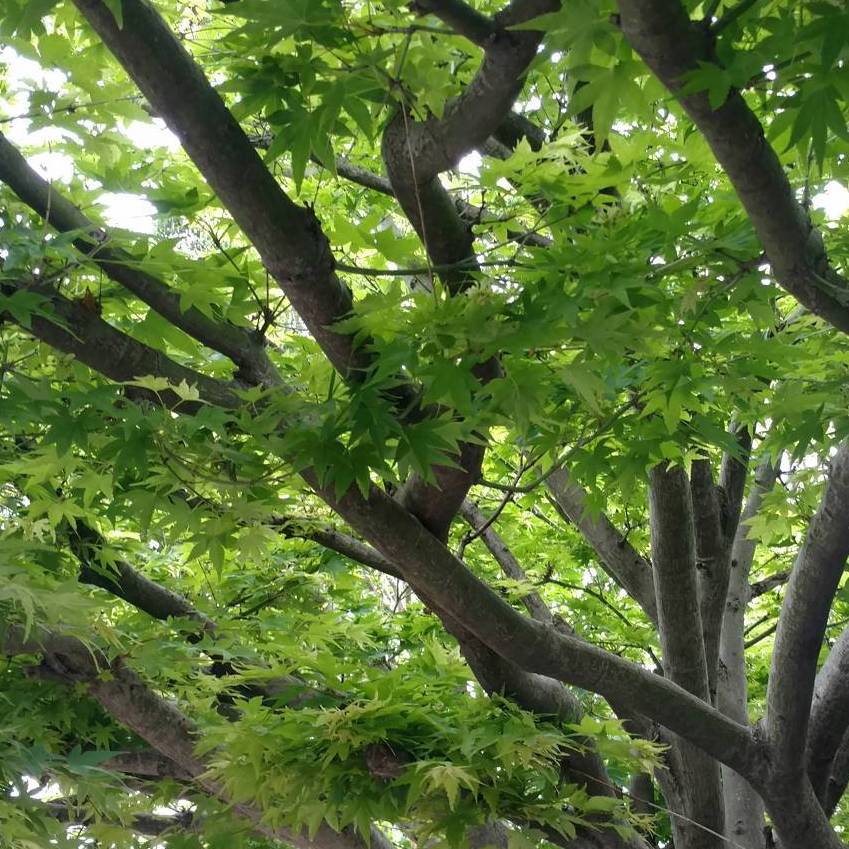
The motif of growth and greenery recurs constantly in photos of that time.
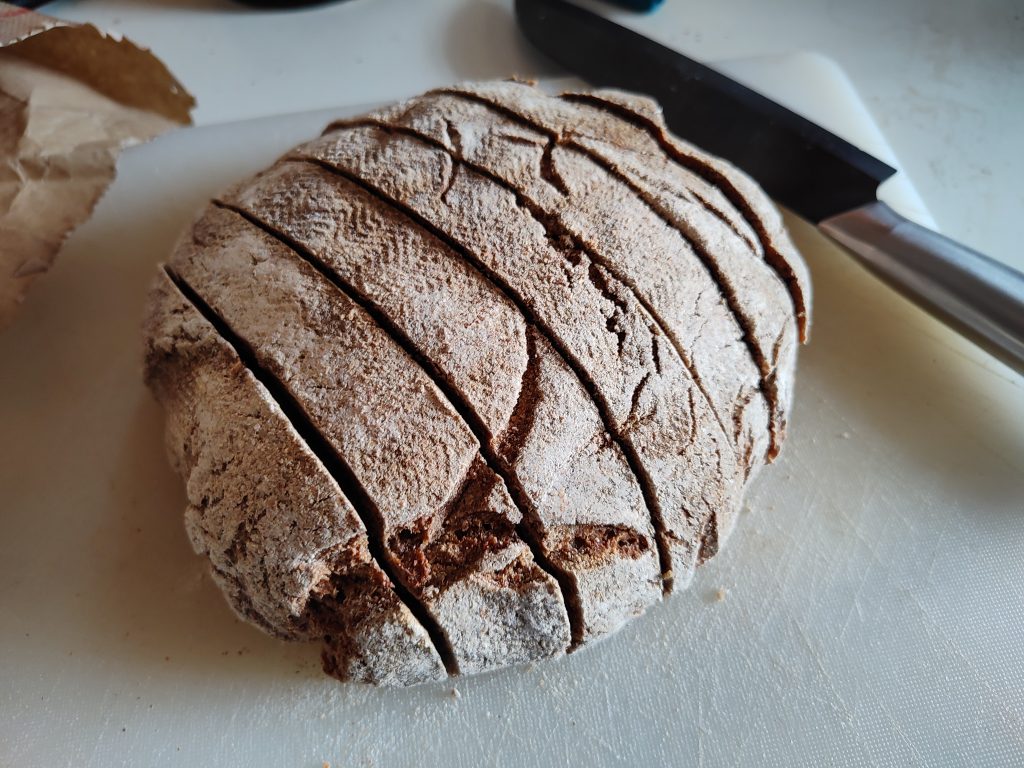
I used to post a lot of pictures of cooking and food on my Instagram. These photos, while banal, served a couple of important purposes. As someone who outgrew a pretty severe eating disorder, they function as a refusal of shame around eating; and they are ‘proof of life’ to people who were paying attention.
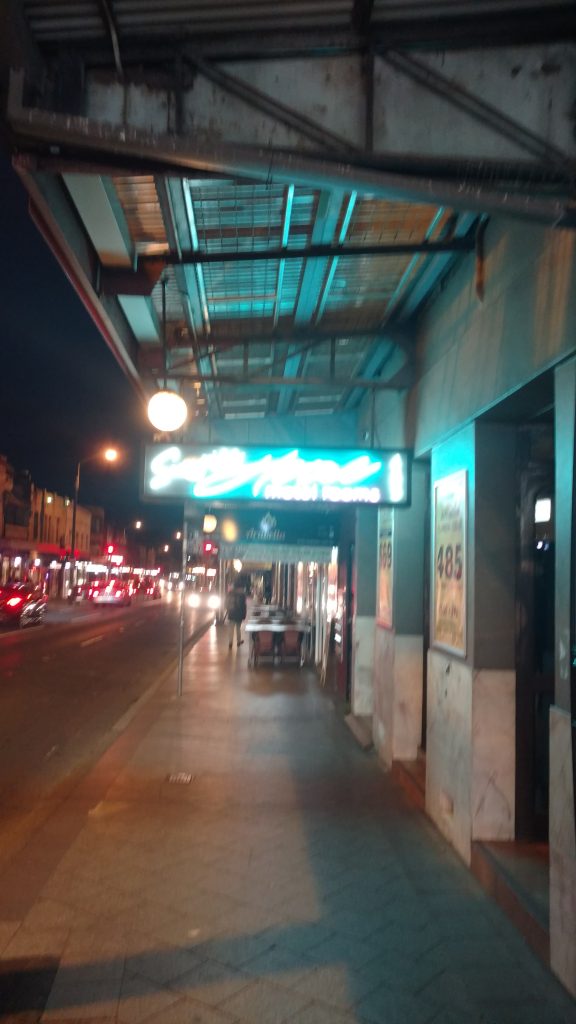
While I waited to recover from manic depression, I got into the habit of seeing a film every week, and I captured some startling images on the walk home through winter nights afterwards. As I just mentioned, most of my photos are very banal, and it intrigues me that moments of strong emotion seemed to heighten my awareness of a striking image waiting to be captured.
At first I was living in Newtown and the liquor lockdowns at the Cross meant King St was full of drunken straight folks, and I felt pretty unsafe on the street. My vision was also jittery and blurry from the lithium I was taking, before I switched to a combination of medications that works for me. The photo below captures what that scene both looked and felt like to me.
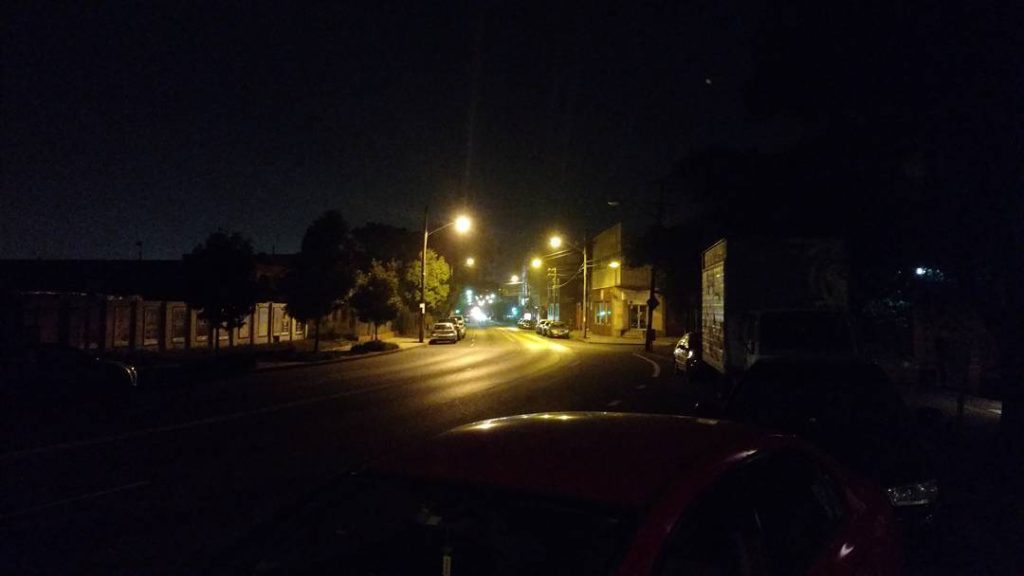
After a year on the new medication I began to feel myself again. I had moved to Marrickville, which felt safer and more like home. This photo captures a moment of silence and stillness walking home on a crisp, foggy winter night.
My little sister, Ruth, although grappling with her own experience of intense anxiety, looked out for me and after me during those years. The 2017 same sex (sic) marriage plebiscite triggered my PTSD diagnosis, but in an act of great courage, Ruth took me to the Sydney rally. Much noise, very people!
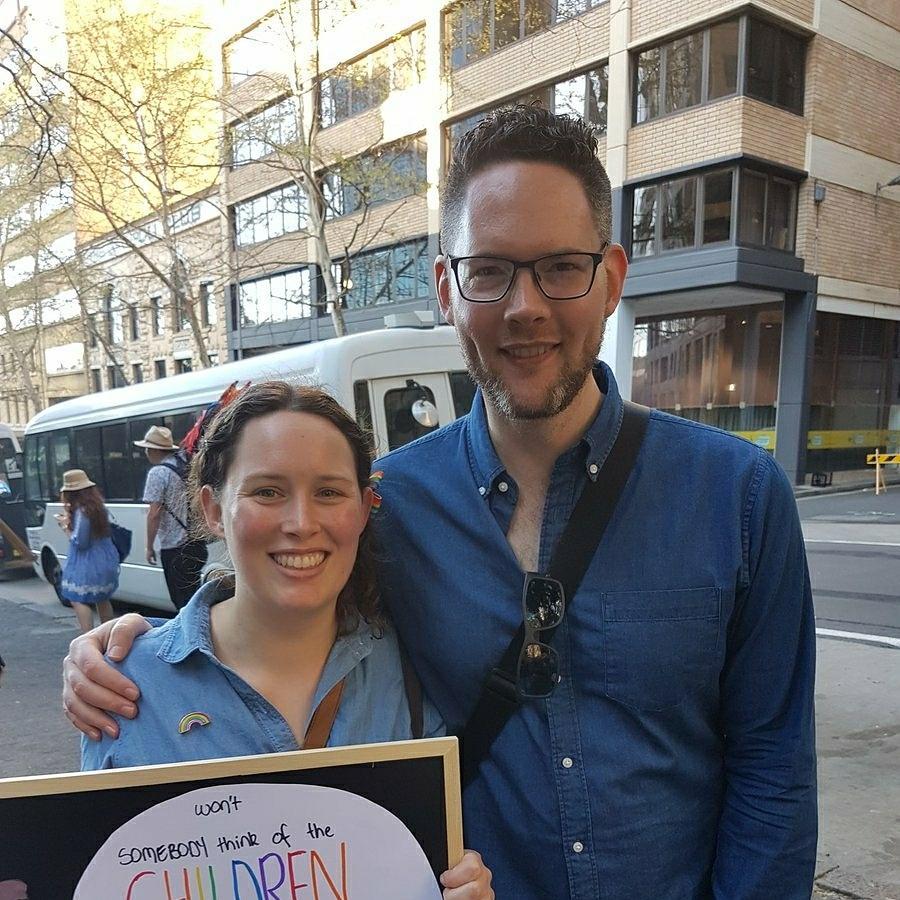
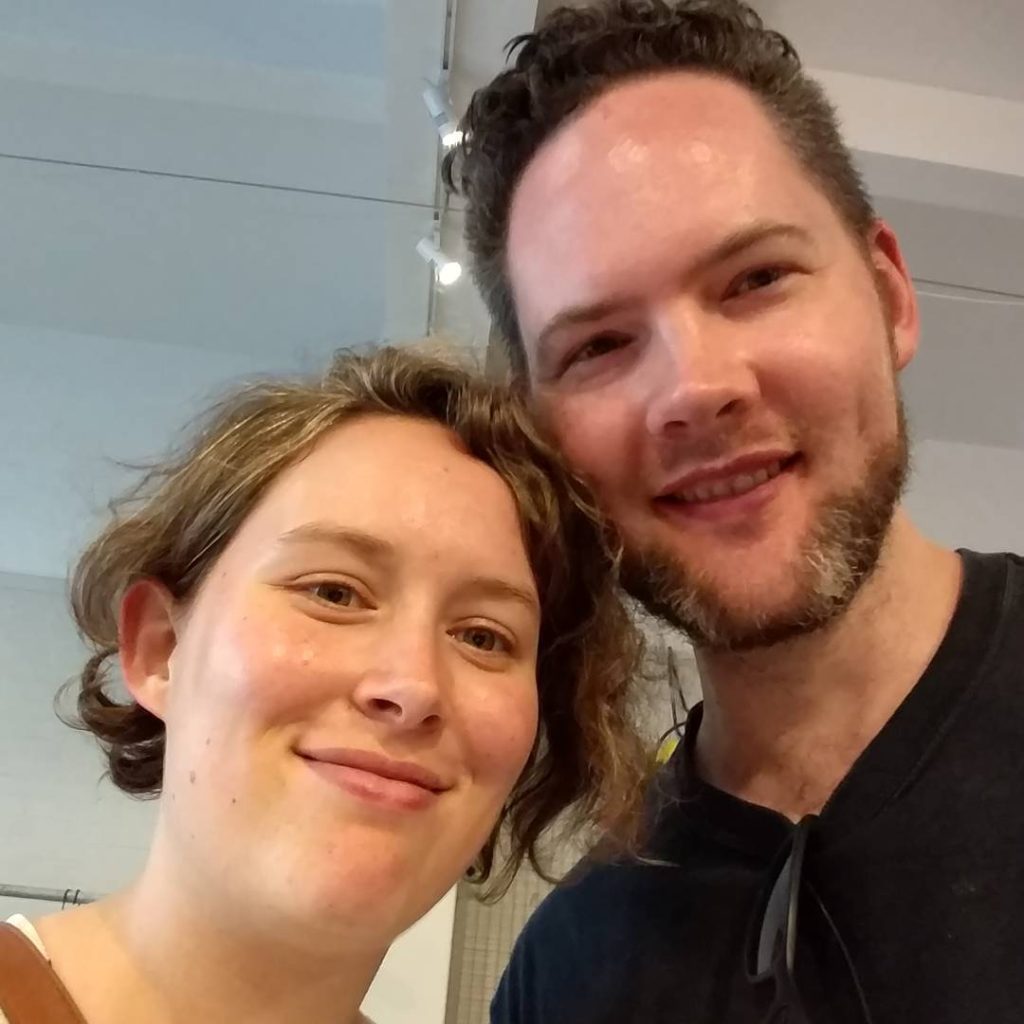
Eventually I began working on my PhD again. Here’s that same spot outside Collector, shot in daylight from the bus to Canberra, minus the floodwaters.
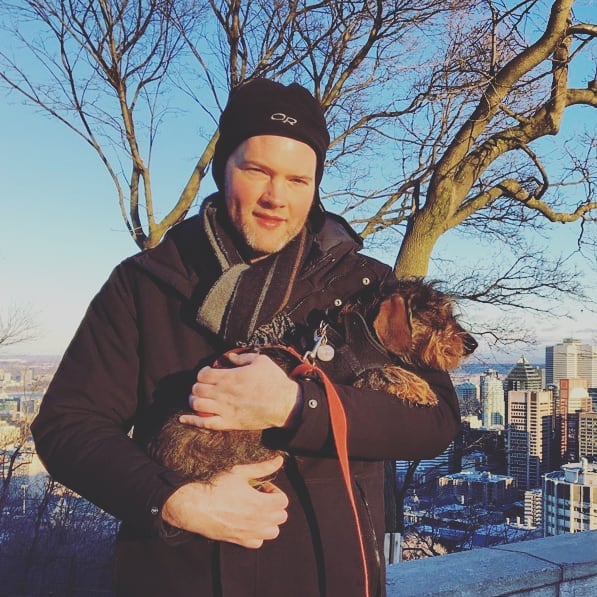
In 2019, I moved cities again, living in Montréal for six months while I undertook PhD fieldwork in Canada.
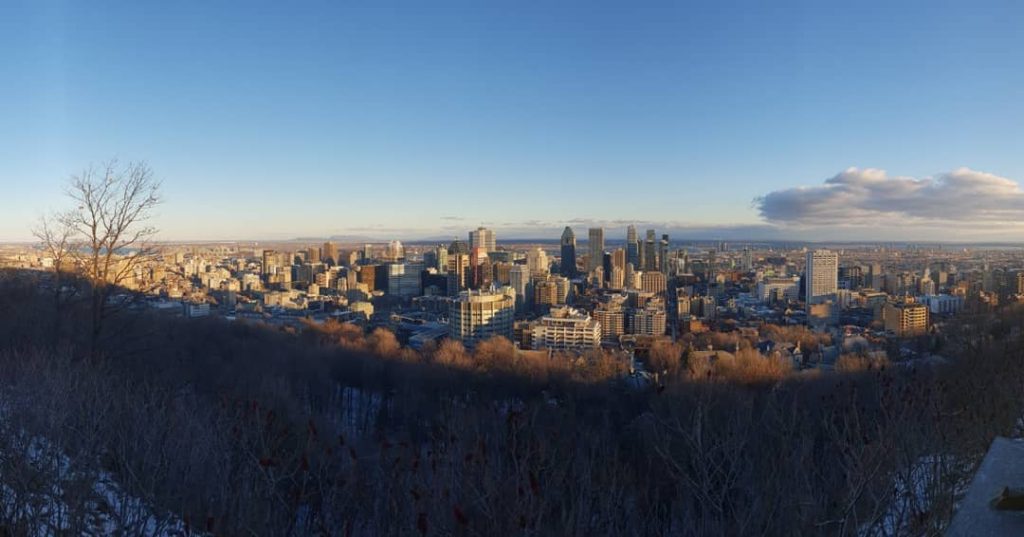
That winter was brutal. I could handle the cold but the emotional isolation was intense, especially with loved ones either dying or in strife back home.
My pictures at the time seem to be seeking to capture a sense of that desolation. There was no foliage at all —
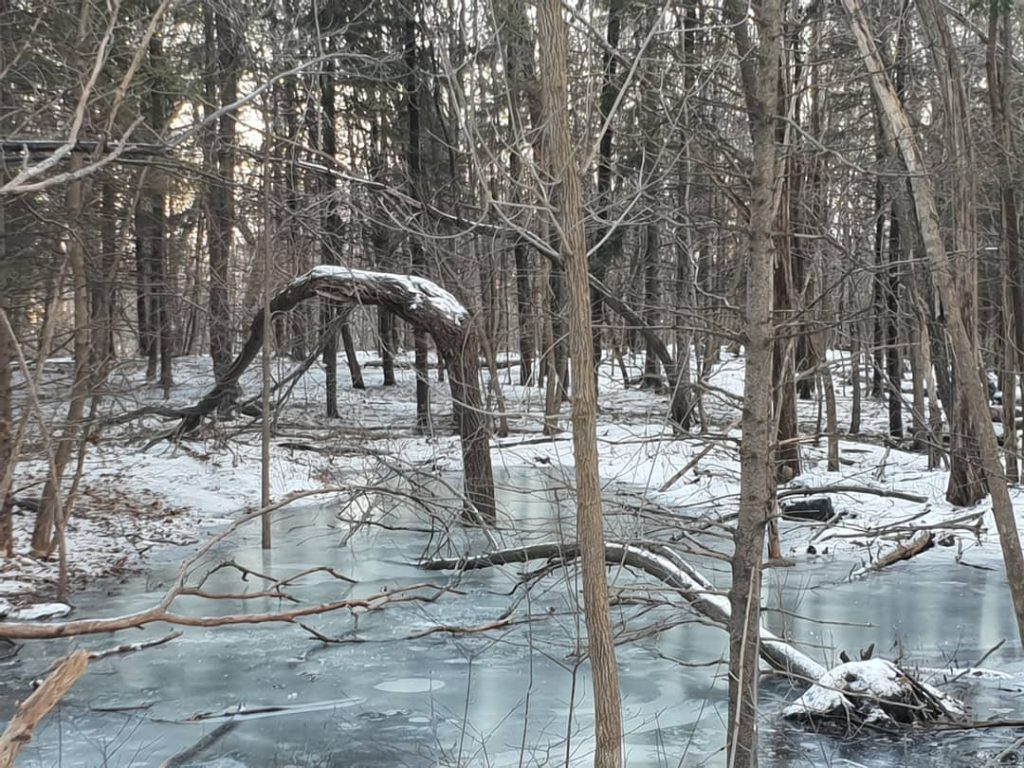
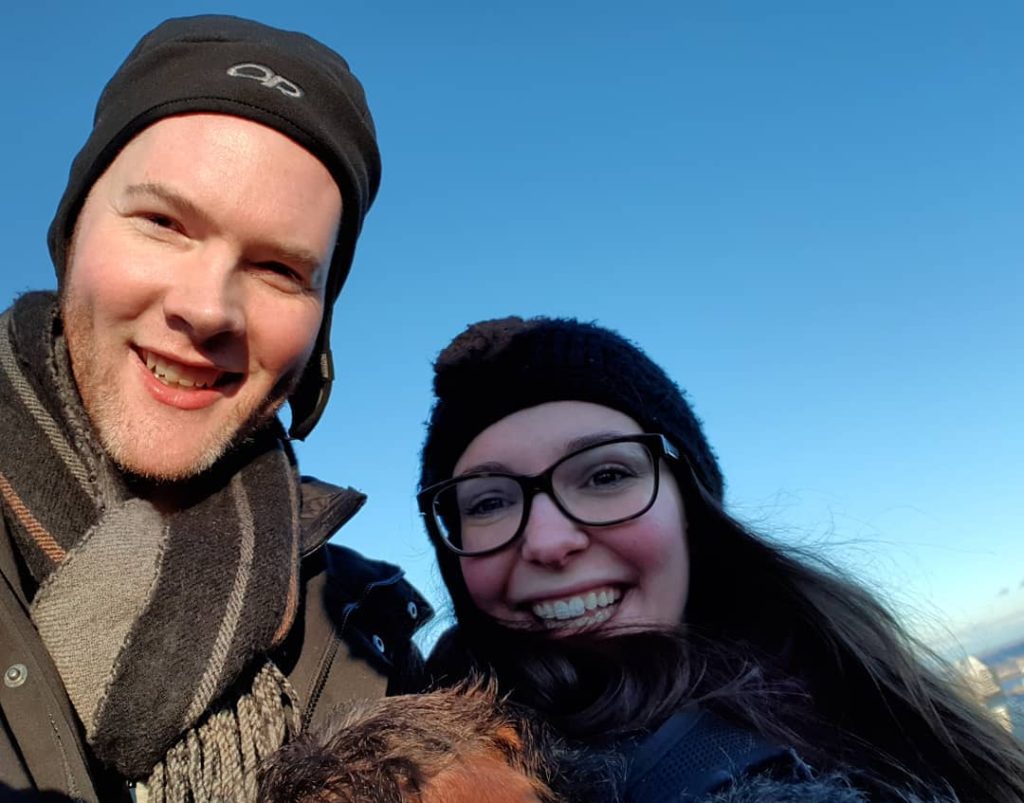
But my PhD colleague Josée took me for walks across Mount Royal with my supervisor’s gorgeous doggo to get hot, fragrant bowls of pho or sundubu jjigae.
I stopped using Instagram a couple of years ago. Scrolling its feed was just making me feel bad about myself. I don’t have many photos of where I’m living now — I love my kitchen, my housemate and the neighbourhood we live in, but the place itself is kind of a dump. But in a sense, ‘no news is good news.’ I have reached a place where I can stop and review some literal and figurative snapshots and decide which ones I want to frame.
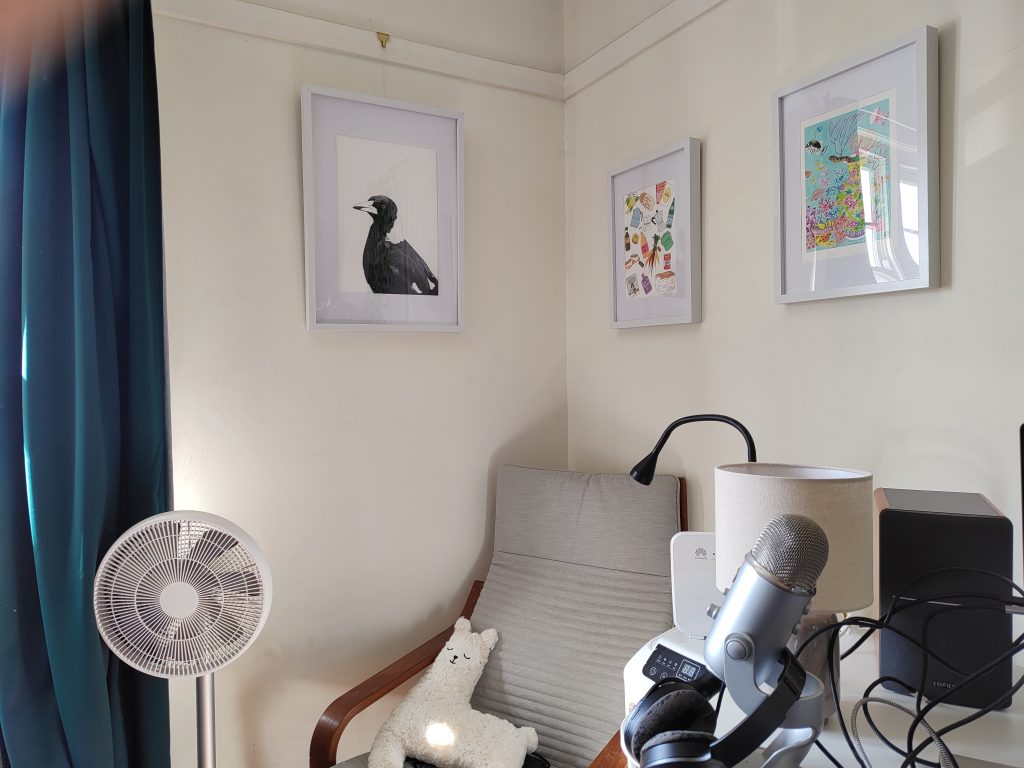
This is lovely – to be able to stop and reflect, and mark progress, and to say, well, I have come to a Good Point. And to have photos that are making meaning for you – I’m cheering that, hugely.
(Also, my birth name was Ruth – there’s not many of us around!)
Thank you, courage in sharing, eloquence and also really interesting, @badblood/Daniel. I just spoke with a close family member living with schizophrenia, we exchanged by phone our descriptors of how we each felt: they were “fantastic”; I was “okay”. They could tell I was tired and said “hopefully you will come to feeling fantastic too”. Most people wouldn’t expect this, someone without that condition feeling like they’re looking up at the sun through slightly murky water, someone with the condition basking in the sunshine. Nuance is so important. I particularly liked your critique and application of ‘photovoice’ a term I hadn’t previously read in this way.
Soaked in so much meaning and context I’m finding those images anything but banal. More like unsettlingly beautiful. If that’s possible.